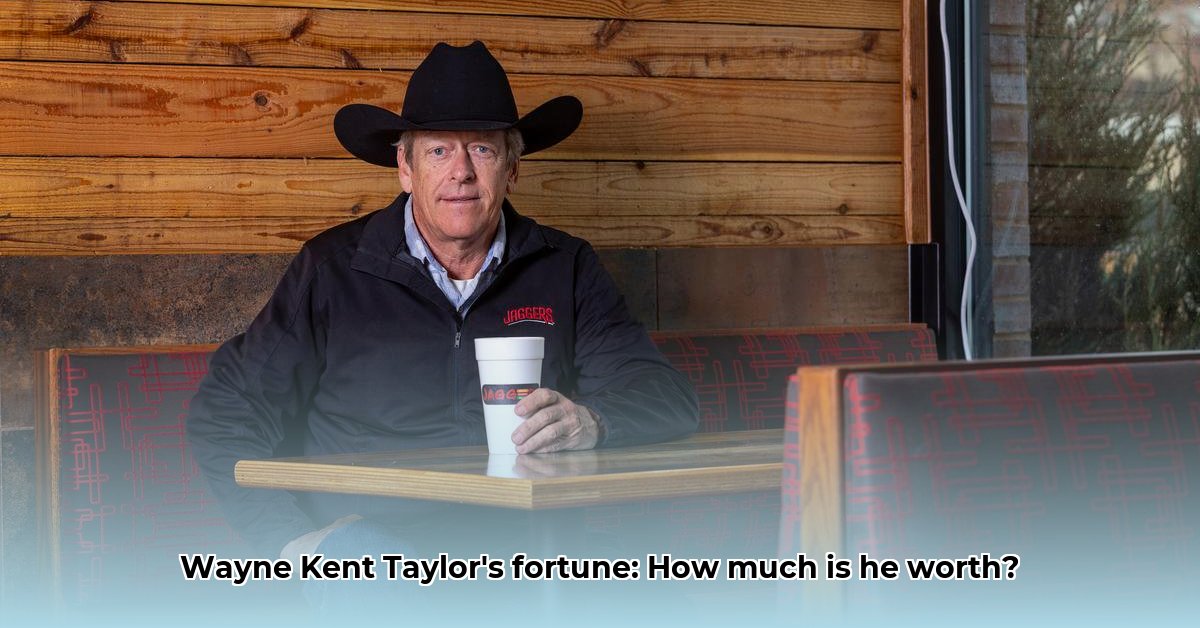
Kent Taylor's impact extends far beyond his considerable net worth. This isn't simply a story about wealth; it's a case study in exceptional leadership, the building of a billion-dollar restaurant empire, and the enduring legacy of a businessman who prioritized people over profit. While precise figures remain elusive, estimates place his net worth well over $600 million, a testament to his business acumen and the remarkable growth of Texas Roadhouse under his guidance. But how did he achieve this success, and what lessons can we glean from his journey and the challenges his untimely death presented?
A Leadership Style Rooted in Employee Well-being
Taylor's leadership philosophy, though not explicitly defined as "servant leadership," embodied many of its core tenets. He prioritized employee well-being, believing in a "people-first" approach. This wasn't mere rhetoric; during the economic hardships of the COVID-19 pandemic, Taylor famously took a significant pay cut to ensure that his employees retained their jobs. This level of personal sacrifice cultivated unparalleled loyalty and commitment within the Texas Roadhouse team. How many CEOs would make such a dramatic personal sacrifice? This commitment underscored his genuine concern for his workforce and stands as a powerful example of leadership during crisis.
Understanding the True Value: More Than Just Financial Success
While Taylor's net worth undoubtedly reached hundreds of millions, his wealth was a reflection of something deeper: a keen understanding of branding, exceptional business strategy, and a steadfast dedication to cultivating a robust and enduring organization. The successful initial public offering (IPO) of Texas Roadhouse in 2004 significantly boosted his personal wealth, but his continued success stemmed from his ability to adapt and innovate within an ever-evolving market. His entrepreneurial skill and vision were instrumental in transforming Texas Roadhouse from a small concept into a nationally recognized and highly profitable brand.
Succession Planning: A Critical Lesson Learned
Taylor's sudden passing tragically highlighted the paramount importance of succession planning in any enterprise. His death presented Texas Roadhouse with significant challenges, emphasizing the need for robust contingency plans and the cultivation of future leaders. What vital lesson can other business leaders learn from this? The development of a clear succession plan and investing in leadership development are not mere best practices; they are crucial for ensuring the long-term stability and continued success of any organization.
Texas Roadhouse: Navigating a Leadership Transition
The passing of Kent Taylor initiated a period of transition and uncertainty for Texas Roadhouse. The company's board of directors faced critical decisions, including the selection of new leadership and the vital task of maintaining the strong company culture cultivated under Taylor's guidance. Investors carefully monitor the company’s performance and assess the long-term strategic direction, while competitors analyze the situation for potential vulnerabilities. The future success of Texas Roadhouse depends greatly on the company's ability to navigate this significant leadership transition effectively and maintain its strong market position.
Potential Challenges and Mitigation Strategies
Texas Roadhouse now faces several potential challenges, requiring careful management and proactive mitigation strategies:
| Risk Category | Likelihood of Occurrence | Potential Impact | Mitigation Strategies |
|---|---|---|---|
| Leadership Transition | High | Very High | Robust succession plan; comprehensive internal leadership development programs; mentorship and training initiatives. |
| Brand Reputation | Medium | Medium | Transparent communication; consistent delivery of exceptional customer service; operational excellence. |
| Financial Performance | Medium | Medium | Diversification strategies; rigorous financial management and cost control; regular financial plan reviews and adjustments. |
| Competitive Landscape | Medium | Medium | Menu innovation & enhanced customer experience; strong customer loyalty programs; technological investments for operational efficiency and a competitive advantage. |
The Enduring Legacy: A Model for Values-Driven Success
The story of Wayne Kent Taylor’s success is not solely a financial narrative. It’s a compelling tale of strategic business acumen, inspirational leadership, and a profound commitment to his employees. His approach provides a roadmap for building a successful and values-driven organization, one where the well-being of employees is prioritized. His legacy transcends the size of his fortune; it's a testament to the enduring power of exceptional leadership. The continued success of Texas Roadhouse will ultimately serve as the most definitive measure of his lasting impact.
Implementing the Taylor Model: A Practical Guide
Key Takeaways:
- Taylor's leadership at Texas Roadhouse exemplified many core principles of servant leadership, prioritizing employee empowerment and fostering a positive work environment.
- Analyzing his methods offers impactful lessons for leaders seeking to cultivate highly effective teams.
- While not explicitly a "servant leadership" model, the principles are clearly identifiable in Taylor's actions. Organizations can blend elements of both for optimal results.
Implementing the Leadership Model:
- Active Listening: Regularly engage in one-on-one meetings, actively listening to team members' input.
- Open Communication: Establish multiple channels for transparent communication, allowing for upward and downward feedback.
- Empowerment: Delegate responsibility and decision-making, granting your team the autonomy to succeed.
- Positive Reinforcement: Regularly acknowledge and celebrate your team’s accomplishments, both big and small.
- Formalized Philosophy: Develop a clear leadership framework, either adopting a formal servant leadership model or creating a documented system based on Taylor's principles. This ensures consistency.